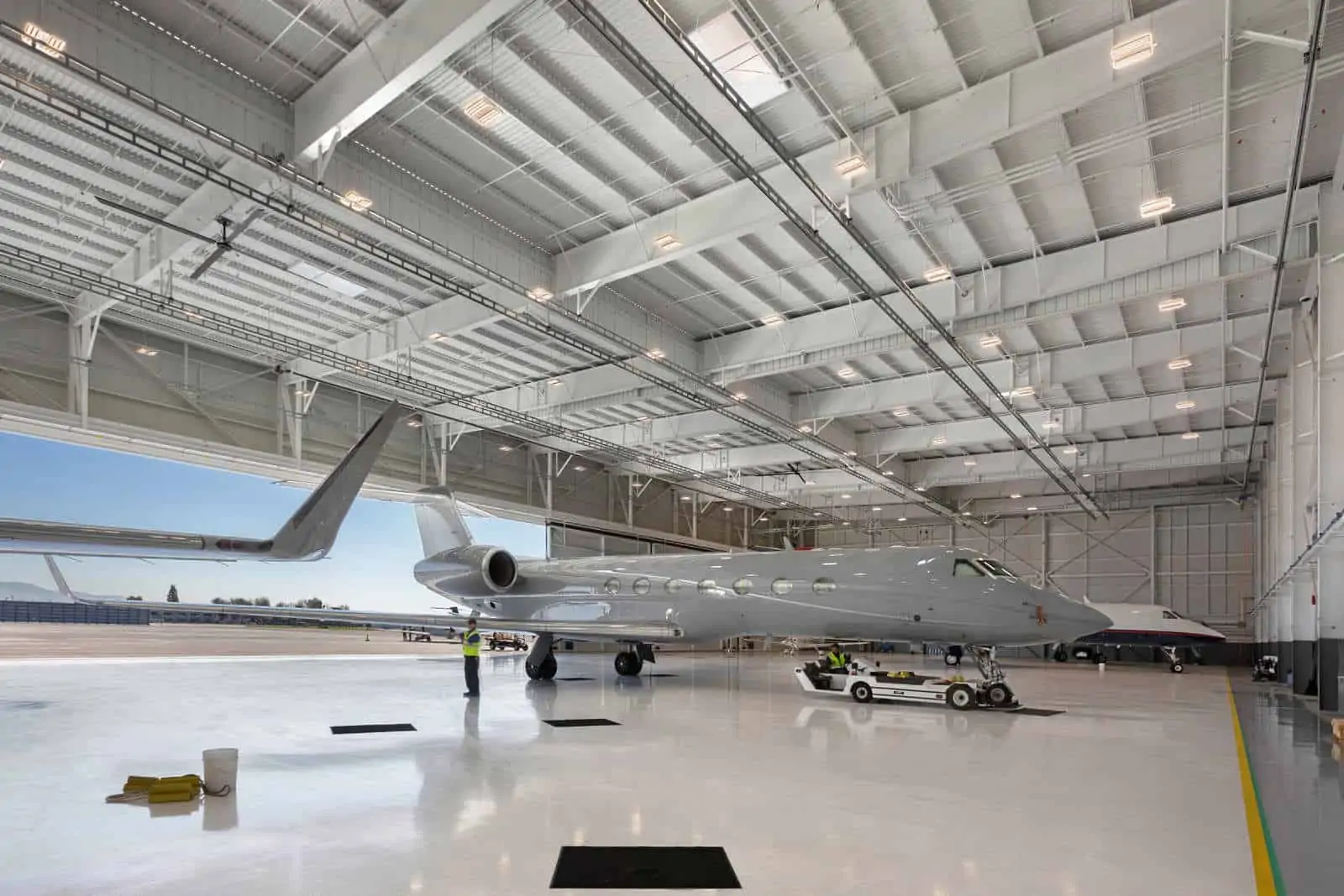
Aircraft hangars are some of the largest indoor spaces in industrial and commercial facilities. Their high ceilings, expansive floor areas, and open layouts present unique challenges for heating, ventilation, and maintaining a comfortable working environment. Proper HVAC design is crucial not just for worker comfort, but for energy efficiency and maintaining aircraft maintenance standards.
Why Hangars Are Challenging to Heat and Ventilate
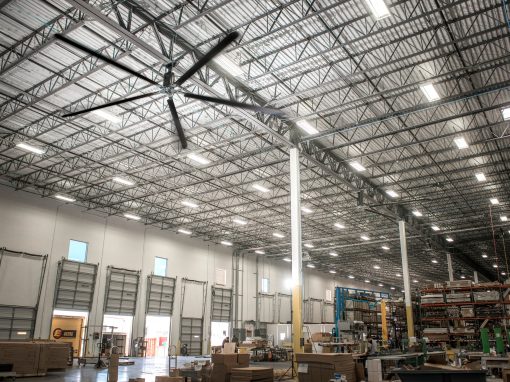
- High Ceilings and Large Volume: Hangars often exceed 30-50 feet in height. Because heat naturally rises, this often leaves the floor level cold and uncomfortable for technicians.
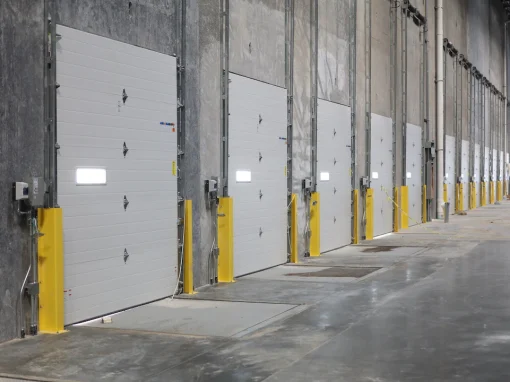
- Frequent Door Openings: Massive hangar doors are opened regularly for aircraft movement, causing significant air exchange with the outside and making temperature control difficult.
- Air Quality Needs: Maintenance operations generate fumes, solvents, and particulate matter that require high-capacity ventilation to meet OSHA and safety standards.
- Equipment Sensitivity: While employees need warmth, sensitive aircraft equipment often requires specific temperature and humidity ranges to stay within maintenance compliance.
Solutions and Best Practices
To effectively manage these massive environments, a strategic, engineered approach is required:
- HVLS Fans for Air Mixing: High-Volume, Low-Speed (HVLS) fans gently circulate air to reduce stratification. By pushing warm air down from the ceiling, they spread conditioned air evenly and improve energy efficiency.
- Zoned Radiant Heating: Using gas-fired unit heaters or radiant tube heaters strategically placed near work areas allows for targeted heating. This keeps employees comfortable without wasting energy heating unoccupied zones.
- Conditioned Make-Up Air: Large door openings require tempered make-up air systems to prevent cold drafts and maintain neutral pressure within the hangar.
- Smart Controls and Sensors: Utilizing variable-speed fans and sensors allows the system to adjust airflow based on occupancy and real-time temperature, significantly lowering operational costs.
Common Mistakes to Avoid
Many facilities struggle by installing poorly placed fans that fail to circulate air effectively or by ignoring air stratification, which leads to overheated ceilings and freezing floors. Additionally, failing to account for frequent door openings in initial heating calculations can leave a system unable to recover quickly enough to maintain comfort.
At ChopAir, we understand that hangar HVAC is about balancing massive scale with precision control. Properly designing for these variables ensures your facility remains a productive, safe, and cost-effective environment year-round.